
tirzepatide and laxatives Bowel Movements: Managing Digestive Effects Tirzepatide vs. Semaglutide: What You
Description
2426 Studies have demonstrated that disulfiram is comparable to naltrexone for maintaining abstinence and reducing heavy drinking, and that it can help to maintain abstinence in well-selected patients, but RCTs have not shown efficacy
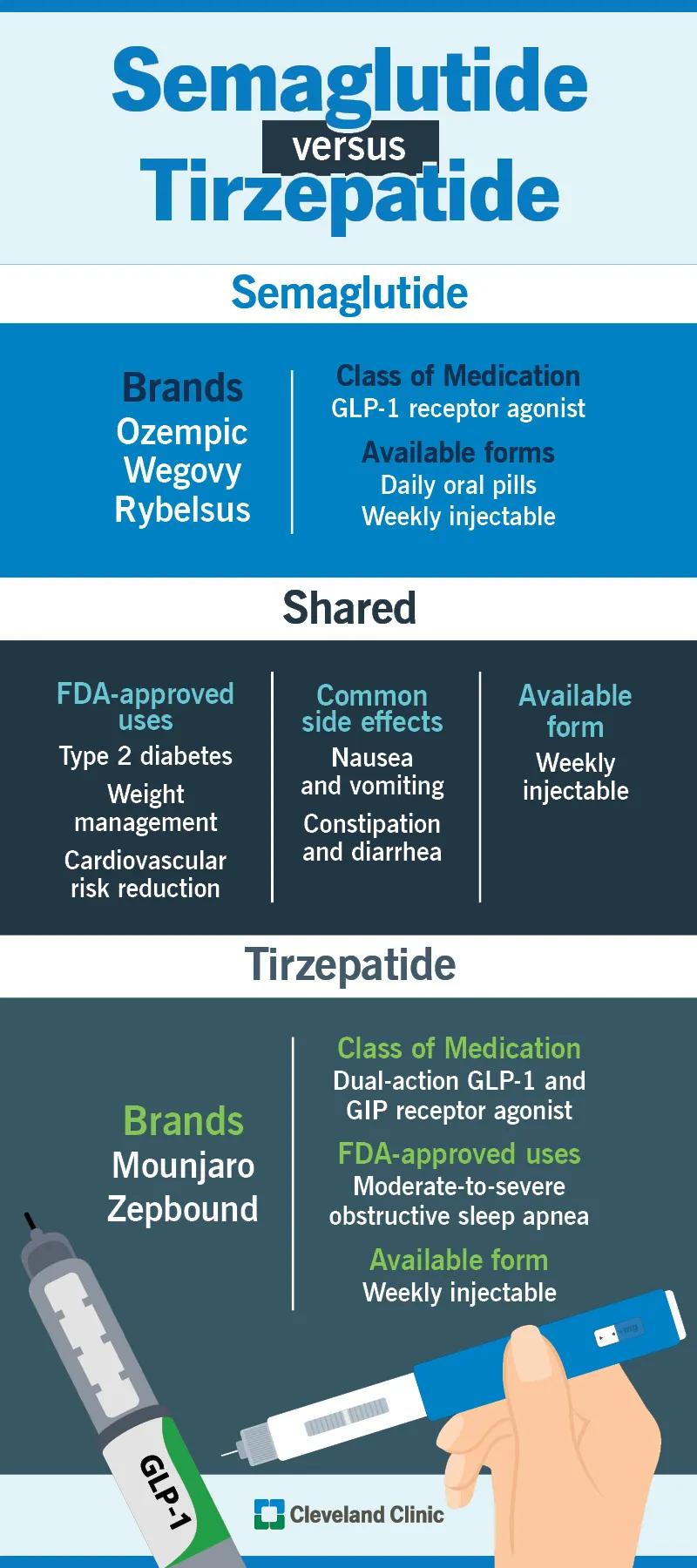
Wegovy Just like with semaglutide, tirzepatide has two brand names: Mounjaro: FDA-approved for Type 2 Diabetes Maximum dose: 15 mg weekly Prescribed primarily for blood sugar control Zepbound: FDA-approved for weight management Same maximum dose: 15 mg weekly Marketed for obesity treatment The drugs are chemically identical, but the legal considerations mirror the Ozempic/Wegovy distinction: Different labels and warnings Different approved uses Potential off-label prescribing Different marketing claims Case Example: Tirzepatide Injury Patient Profile: 52-year-old woman with BMI 34 No diabetes, seeking weight loss Prescribed Zepbound, escalated to 15 mg Timeline: Month 1-3: Excellent weight loss (25 lbs), manageable nausea Month 4: Persistent vomiting began Month 5: Unable to eat solid food, lost 15 more lbs Month 6: Diagnosed with severe gastroparesis via gastric emptying scan Current: 12 months post-discontinuation, still cannot eat normally, requires liquid diet Legal Claim: Inadequate warnings about permanence of gastroparesis Marketing emphasized dramatic weight loss without proper risk disclosure Failure to inform that condition might not resolve after stopping Damages include ongoing medical care, lost wages, diminished quality of life 5
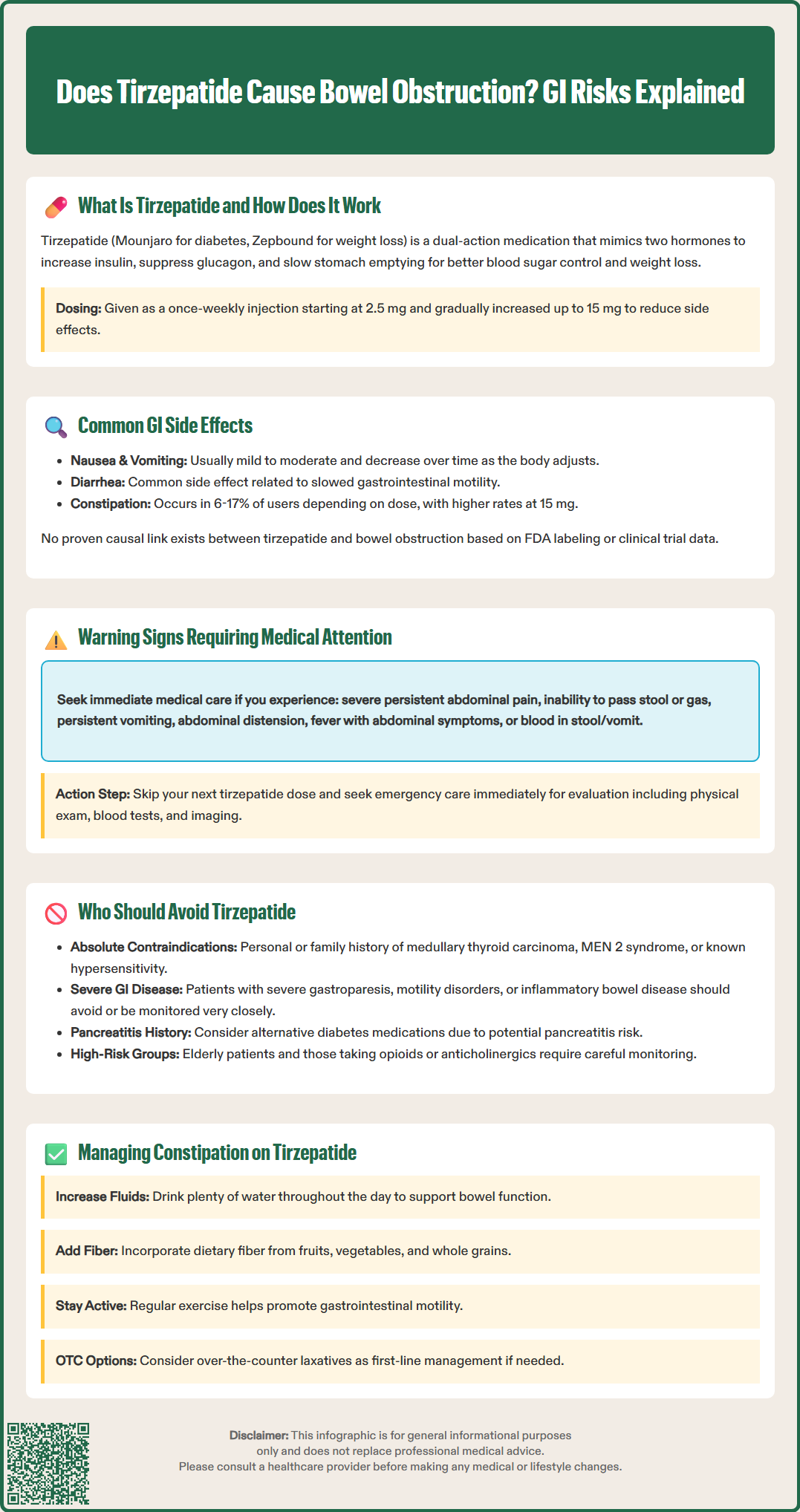
These symptoms can cause dehydration, which increases the risk of adverse reactions during plasma donation and may result in temporary deferral by NHSBT staff

This article is for educational purposes only and does not constitute medical advice

Although DNA methylation signatures seem to reflect micro-environmental changes and gene expression alterations in adipose tissue, they have limited application in clinical practice both as biomarkers and therapeutic targets (i.e