
glp 1 tips Ten Top for the Management of GLP-1 Receptor Agonists in Adults within Primary Care How To Manage GLP-1 Side
Description
North America emerged as the leading regional market, capturing 49.7% of the global share in 2024
Semaglutide is a large peptide molecule that the body naturally breaks down before it can be absorbed through oral tissues

GLP-1 action on target tissues Glu cagon-like pep tide -1 (GLP-1) is a hormone released from the gut after eating to decrease blood glucose by several mechanisms
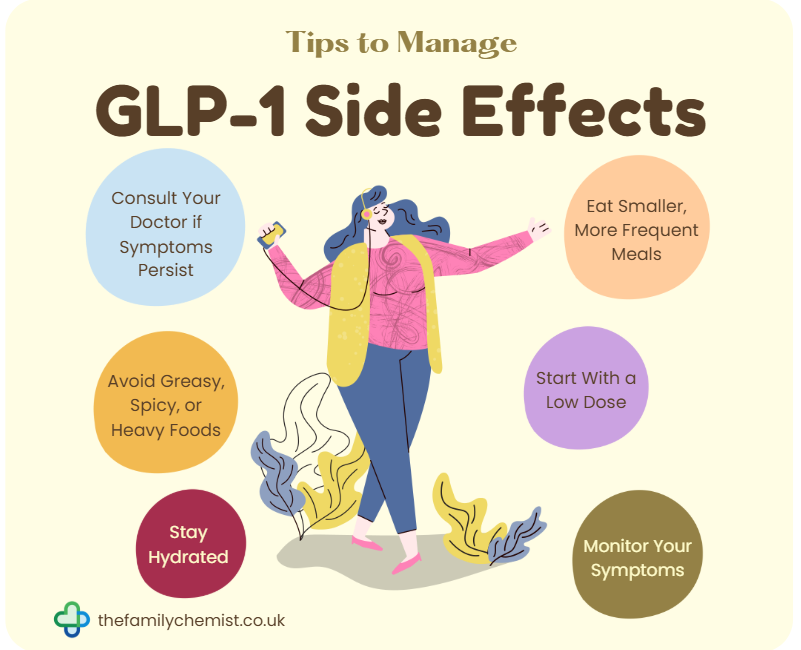
usually temporary Side Effect Timeline and Management : According to clinical trial data and medical guidance: Week 1-2 at New Dose Level : Side effects most intense, particularly nausea GI symptoms most bothersome Body adjusting to new medication level Management: Small frequent meals, avoid fatty/fried foods, stay hydrated, rest as needed Week 3-4 at Steady Dose : Symptoms typically improve significantly Body adapts to medication level Side effects become more manageable Most users report substantial reduction in intensity After Reaching Maintenance Dose : Most users report minimal ongoing side effects GI symptoms largely resolved Appetite suppression continues (therapeutic effect) Improved quality of life as body fully adapted Side Effect Management Strategies : According to medical guidance and patient education materials: For Nausea : Eat smaller, more frequent meals (5-6 small meals vs 3 large) Avoid fatty, fried, greasy, or spicy foods Eat slowly and chew thoroughly Don't lie down immediately after eating Stay well-hydrated with small sips throughout day Ginger tea or ginger supplements may help (consult provider) Consider sea-bands (acupressure wristbands) Take medication in evening so sleep through initial effects Inform provider if severe or persistent (dose adjustment may help) For Constipation : Increase dietary fiber gradually (fruits, vegetables, whole grains) Drink minimum 64-80 ounces water daily Include prune juice or prunes in diet Consider fiber supplements (psyllium, methylcellulose) after provider consultation Consider stool softeners (docusate) after provider consultation Regular physical activity promotes bowel motility Establish consistent bathroom routine Don't ignore urge to have bowel movement For Diarrhea : Stay very well hydrated (replace fluid losses) Eat bland foods (rice, bananas, applesauce, toast - "BRAT diet") Avoid caffeine, alcohol, fatty foods, spicy foods Consider probiotics (discuss with provider) Usually improves as body adjusts
Key considerations Unlike the standard approach, which assumes that more medication is better, microdosing challenges the one-size-fits-all mindset


