
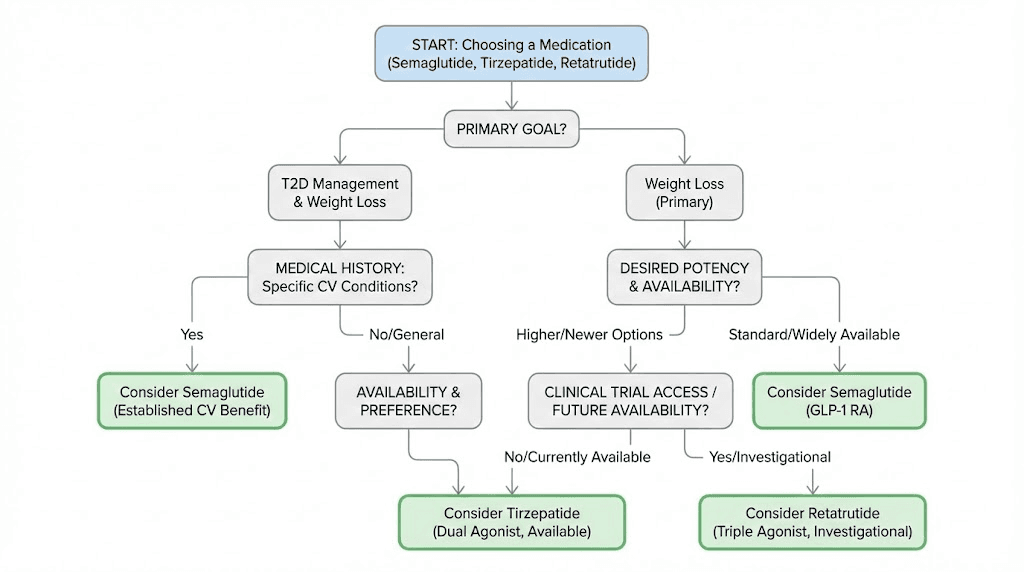
tirzepatide and allodynia glp 1 Advances in GLP-1 receptor agonists for pain treatment their future potential Semaglutide vs tirzepatide vs retatrutide:
Description
At pharmacologic doses (typically 5002000 mg daily), niacin has been used to modify lipid profiles, particularly raising high-density lipoprotein (HDL) cholesterol and lowering triglycerides and low-density lipoprotein (LDL) cholesterol
Notable safety advantages : Lower discontinuation rates due to adverse events (4-7%) compared to reported rates with semaglutide 2.4 mg in STEP trials (approximately 6-7%) No signal for diabetic retinopathy worsening (a concern identified with semaglutide in SUSTAIN-6) No evidence of increased psychiatric adverse events (depression, suicidality) Research Applications Tirzepatide serves as a groundbreaking research tool across multiple biomedical domains: Dual incretin biology : Studying the synergistic effects of simultaneous GIP and GLP-1 receptor activation on glucose homeostasis, appetite, and metabolism Adipose tissue biology : Investigating GIPR-mediated effects on adipocyte differentiation, lipid buffering, and adipokine secretion mechanisms absent from GLP-1 agonist research Central appetite neuroscience : Mapping distinct GIP vs

Hypoglycemia is a risk when tirzepatide is used in combination with insulin or insulin secretagogues (such as sulfonylureas)

The peptide cost calculator can help you compare the per-dose costs of different formulations and concentrations

At SeekPeptides , we have spent months reviewing telehealth weight loss providers, comparing pricing structures, evaluating clinical protocols, and digging into the details that most review sites ignore


