glp-1 agonists cardiovascular diseases Glucagon-like peptide 1 receptor agonists: benefits and mechanisms of action Cardiovascular benefits of glucagon-like peptide-1
Description
In isolation, glucagon receptor activation is associated with hepatic glucose output and lipolysis, effects traditionally viewed as counter-regulatory

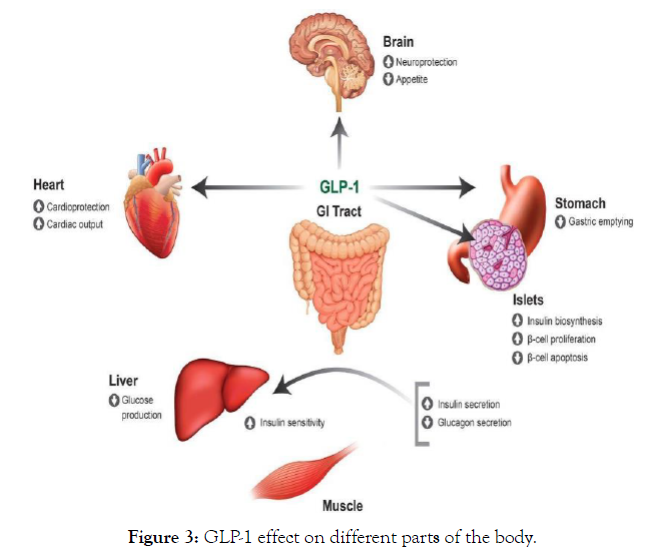
GLP-1 (glucagon-like peptide-1) is a natural hormone in the body that helps regulate appetite, digestion, and feelings of fullness, all important for managing weight

Mechanistic Advantages Single GLP-1 receptor agonists primarily promote weight loss through appetite suppression and delayed gastric emptying, leading to reduced caloric intake

Patients lose weight but often lose muscle, energy, and metabolic resilience along the way

In the SURPASS-2 trial, patients with obesity and T2D who received tirzeapatide (5 mg weekly) achieved greater HbA1c and body weight reductions than those receiving semaglutide (1 mg weekly) during the 40 week study ( With these points in mind, we undertook a broad assessment of published clinical data, curating the body weight loss (% from baseline), glycosylated hemoglobin levels (HbA1c), and nausea responses (% patients reporting) from the SUSTAIN 3, SUSTAIN 7, SCALE Diabetes, SURPASS 2, and STEP 2 trials ( Figures 1AC )