ibs and glp 1 Can a patient with a history of gastrointestinal issues, such as Irritable Bowel Syndrome (IBS), possibly obesity or type 2 diabetes, take teriziptide with Glucagon-Like Peptide-1 (GLP-1)? Exploring the Side Effects of
Description
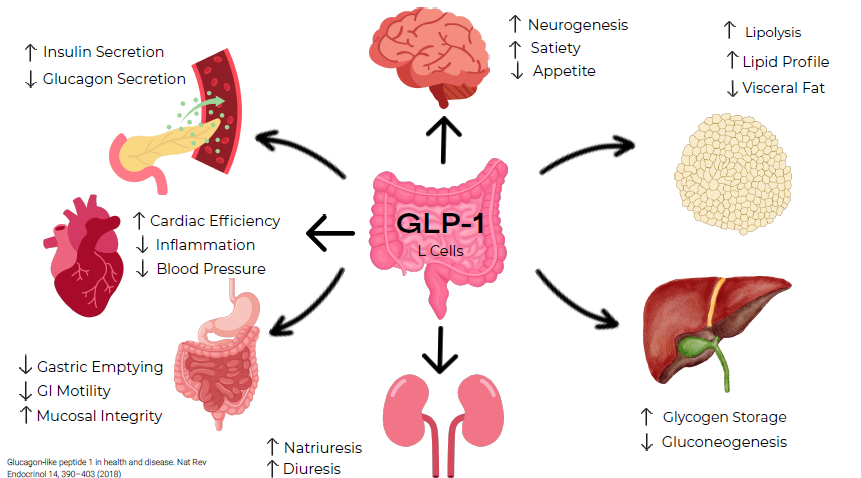
Prescription GLP1 medications mimic this hormone and have proven benefits for blood sugar control, heart health, brain protection, and liver function

That said, continuous use is likely needed to maintain the positive effects of GLP-1s

Lower glucagon levels mean your liver produces less glucose contributing significantly to reductions in fasting plasma glucose

They work in two key ways: Slow down stomach emptying Food stays in your stomach longer, making you feel full Send signals to your brain They tell the hunger centers in your brain to calm down Popular GLP-1 Medications The most common GLP-1 medications include: Semaglutide (Ozempic, Wegovy) Tirzepatide (Mounjaro, Zepbound) Liraglutide (Saxenda, Victoza) Dulaglutide (Trulicity) These medications help with both diabetes management and weight management by targeting appetite control
The inspection typically adds only 3-5 minutes to security screening


