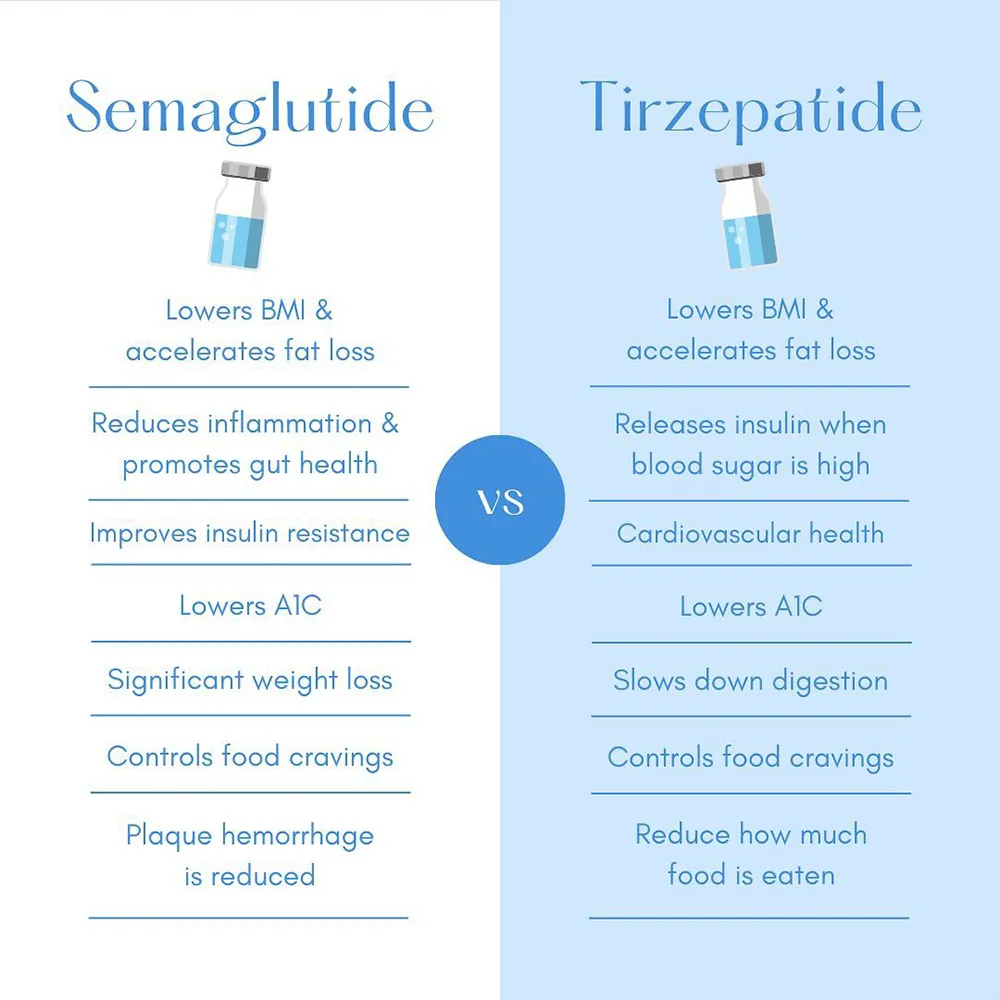
ozempic vs compounded semaglutide what is the difference between and tirzepatide Tirzepatide vs. Semaglutide: Key Differences & Benefits Is Compounded Semaglutide the Same
Description
Henderson-MacLennan Ipsos: Narcolepsy is a condition that is neither well-understood nor frequently diagnosed, so having an efficacious treatment could provide significant relief for its sufferers as well as a reason for physicians to consider diagnosis

DOI: 10.1016/S0140-6736(25)02105-1 Jiang Y, Zhu H, Gong F

The company called Hims move illegal mass compounding that poses a significant risk to patient safety and said it will pursue legal and regulatory action to protect patients, our intellectual property and the integrity of the US goldstandard drug approval framework. A Novo spokesperson also labelled Hims mass compounding illegal and tied it to what the company described as a pattern of knockoff GLP1 products, as per CNBC
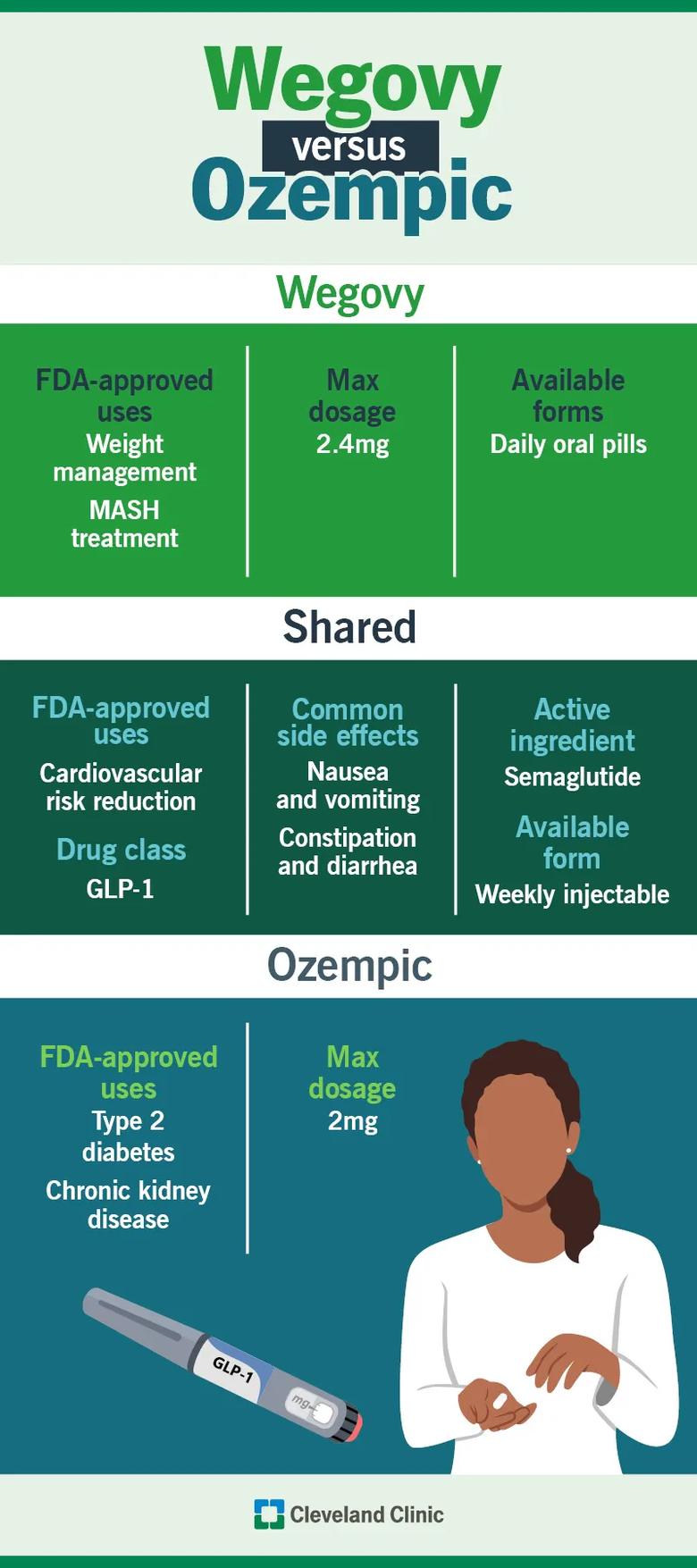
Clinical studies have shown that tirzepatide: Significantly reduces hemoglobin A1C levels compared to placebo Promotes weight loss in a dose-dependent manner May have potential benefits for non-alcoholic fatty liver disease (NAFLD) patients Tirzepatide is typically administered as follows: Once-weekly subcutaneous injection Available in various strengths (e.g., 2.5 mg, 5 mg, 7.5 mg, 10 mg, 12.5 mg, 15 mg) Dose is usually titrated over time to reach the target dose Common side effects may include: Nausea Diarrhea Decreased appetite Vomiting Constipation Abdominal pain Tirzepatide should be used with caution in patients with: History of pancreatitis Severe gastrointestinal disease Diabetic retinopathy Pregnancy: Tirzepatide should not be used during pregnancy unless the potential benefit justifies the potential risk to the fetus

In a small study, semaglutide reduced insulin needs in people with type 1 diabetes: after 3 months, participants no longer required mealtime insulin, and after 6 months, 7 of 10 no longer needed any basal insulin


