FREE SHIPPING ON ORDERS OVER $150

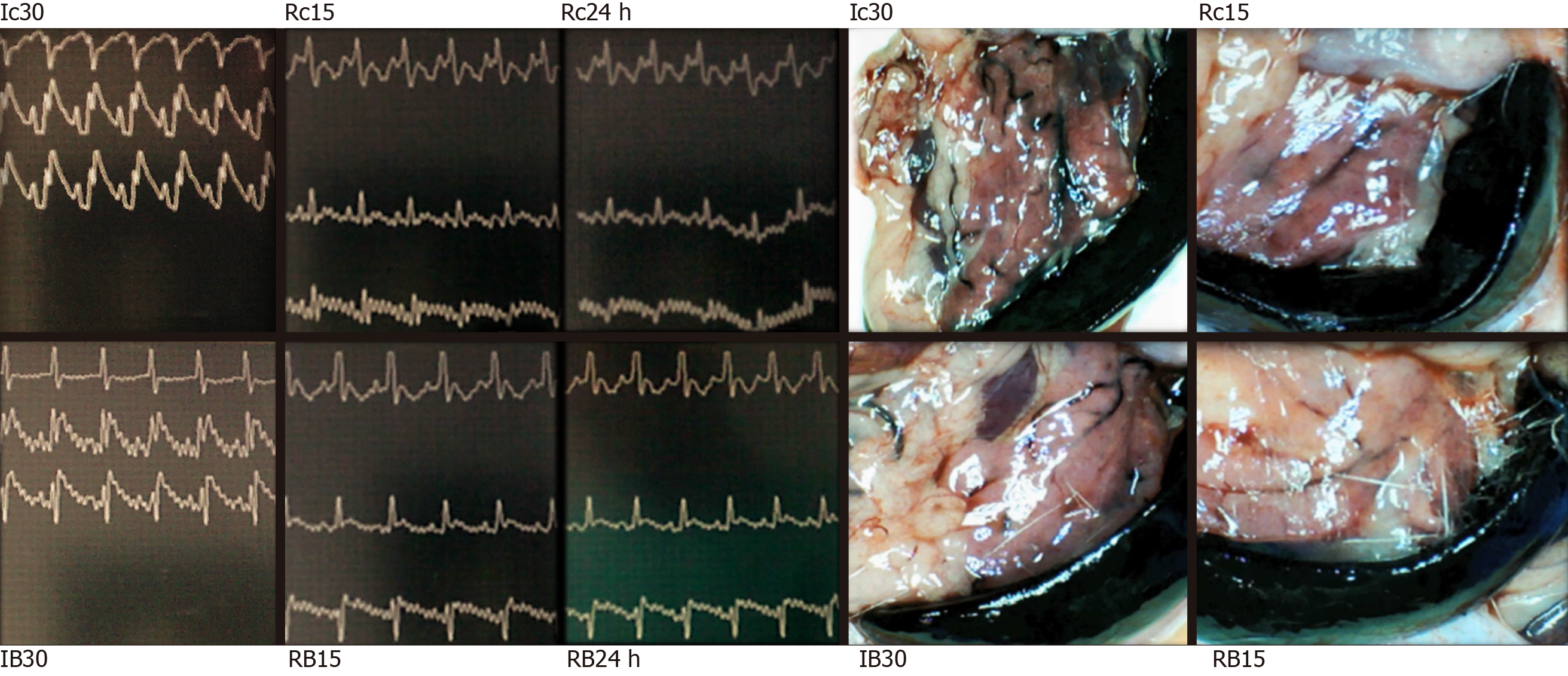
diagen bpc 157 stable 157, one of our favorite peptides, has consistently shown improved healing rates in animal models of acute injuries, such as tendon, nerve, cartilage, and gastric lining. The literature suggests Stomach perforation-induced general occlusion/occlusion-like syndrome

$20.56

Quantity
- +
Description

Why Researchers Explore Multi-Compound Study Designs Multi-compound research designs are common in peptide science generally, since isolating a single pathway rarely tells the full metabolic story
diagen bpc 157 stable 157, one of our favorite peptides, has consistently shown improved healing rates in animal models of acute injuries, such as tendon, nerve, cartilage, and gastric lining. The literature suggests Stomach perforation-induced general occlusion/occlusion-like syndrome

Clinical judgment and individual patient factors remain paramount, regardless of these categories
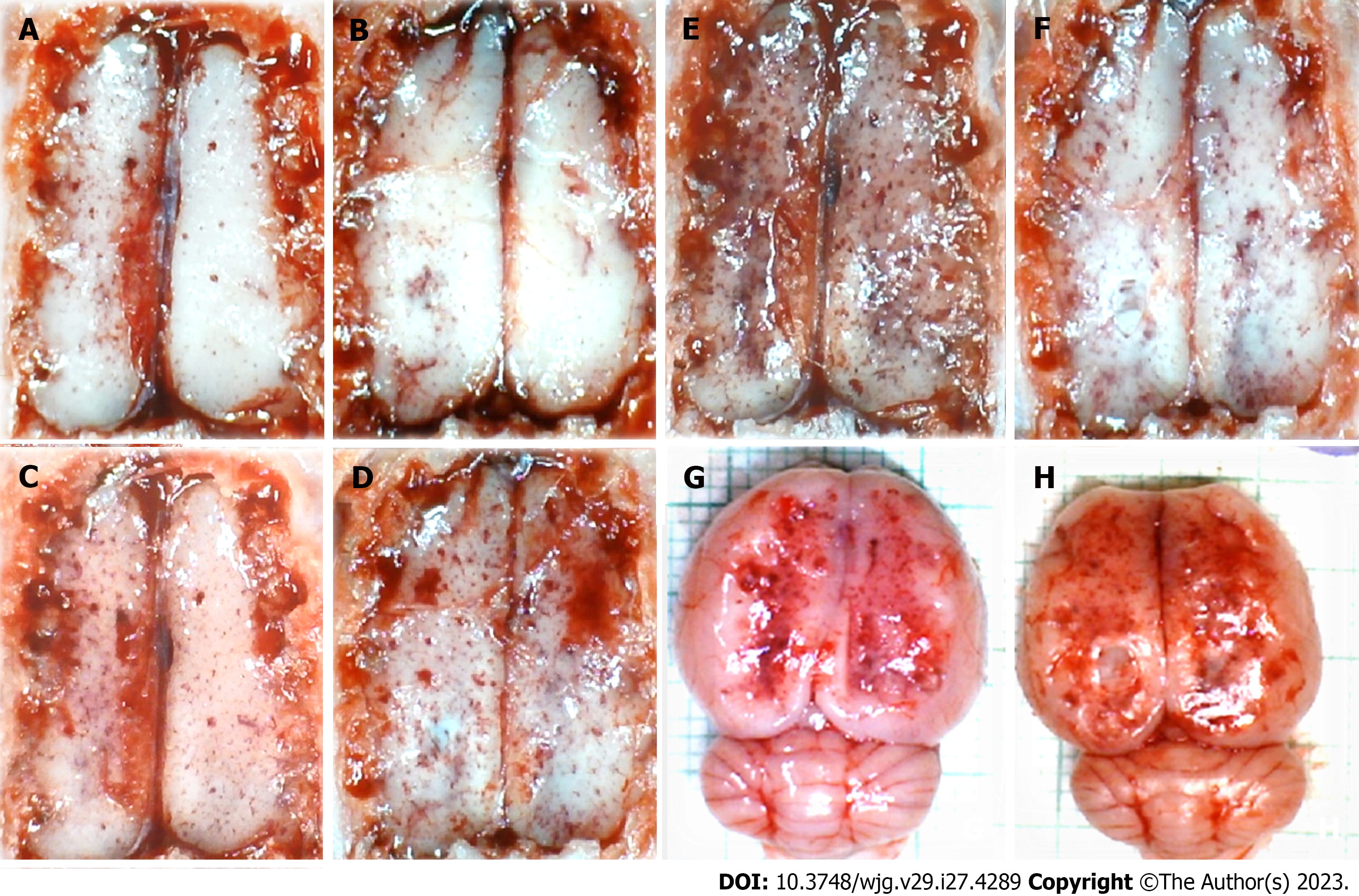
diagen bpc 157 stable 157, one of our favorite peptides, has consistently shown improved healing rates in animal models of acute injuries, such as tendon, nerve, cartilage, and gastric lining. The literature suggests Stomach perforation-induced general occlusion/occlusion-like syndrome

Think of it like a targeted boost for problem areas

diagen bpc 157 stable 157, one of our favorite peptides, has consistently shown improved healing rates in animal models of acute injuries, such as tendon, nerve, cartilage, and gastric lining. The literature suggests Stomach perforation-induced general occlusion/occlusion-like syndrome

10.1074/jbc.M608920200

diagen bpc 157 stable 157, one of our favorite peptides, has consistently shown improved healing rates in animal models of acute injuries, such as tendon, nerve, cartilage, and gastric lining. The literature suggests Stomach perforation-induced general occlusion/occlusion-like syndrome

A week to get lab results

diagen bpc 157 stable 157, one of our favorite peptides, has consistently shown improved healing rates in animal models of acute injuries, such as tendon, nerve, cartilage, and gastric lining. The literature suggests Stomach perforation-induced general occlusion/occlusion-like syndrome

You may also like

recommand products