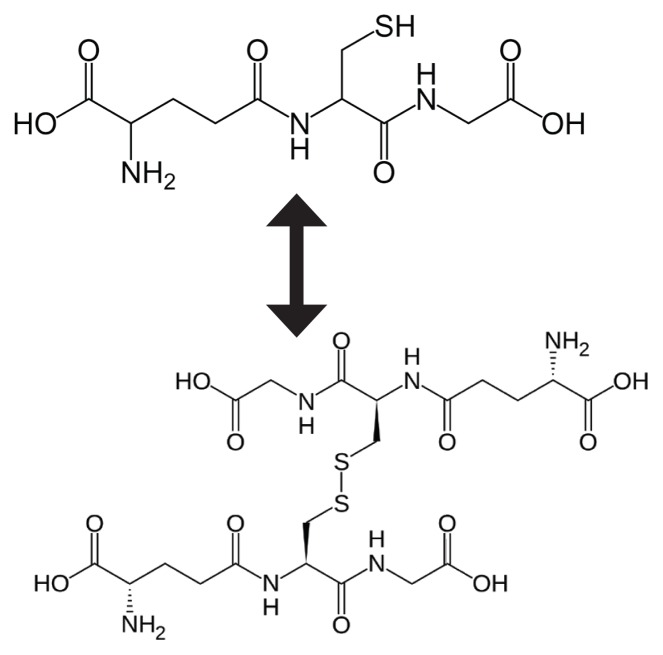
critical antioxidants amino acids glutathione Glycine: A Powerful Acid for Midlife Women's Health Glutathione: Overview of its protective
Description
Cell Physiol Biochem 38:19521962 Imenshahidi M, Hossenzadeh H (2022) Effects of glycine on metabolic syndrome components: a review
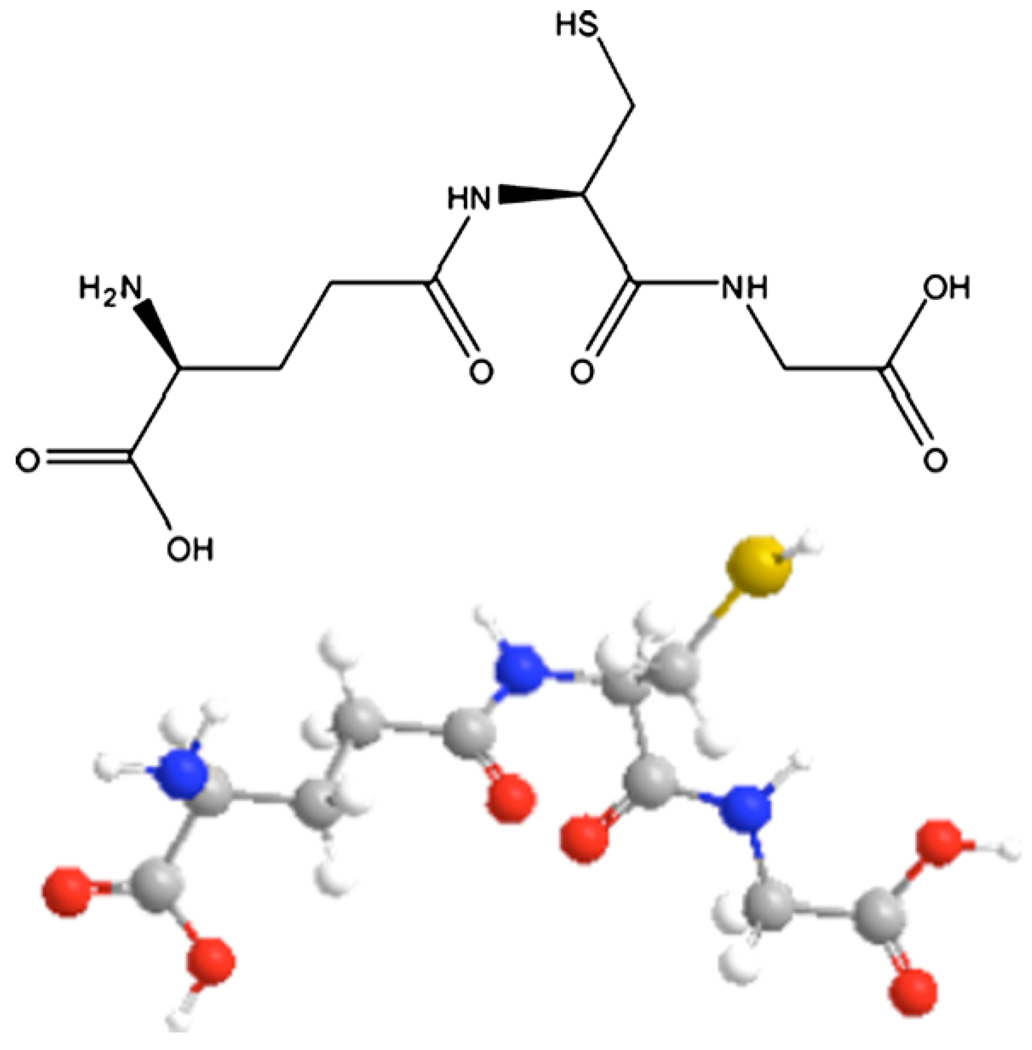
Understanding Glutathione: The Master Antioxidant Glutathione is a naturally occurring antioxidant produced by the liver

Hydroxyl radicals OV-6: Anti-oval cell marker antibody PA: Palmitoyl ascorbate PAMAM: Polyamidoamine PBAE ROS : Reactive oxygen species -responsive poly(-amino ester) PCN-224: Porphyrin-based metalorganic framework PD1: Programmed cell death protein 1 PDK1: Pyruvate dehydrogenase kinase I PDT: Photodynamic therapy PEG: Polyethylene glycol PEG-PCL: [Poly(ethylene glycol) methyl ether-block-poly (-caprolactone) copolymers] PEI-PLGA: Polyethylenimine-poly(d,l-lactide-co-glycolide) PhA: Pheophorbide A p(HPMAm-Lacn): Poly(hydroxypropyl methacrylamide-lactate PLA 2 : Phospholipase A 2 pNIPAAm: Poly(N-isopoprylacrylamide) PNZ-Cl: P-nitrobenzyl chloroformate PMOA: Poly(2-(2-methoxyethoxy)ethyl methacrylate-co-oligo(ethylene glycol)methacrylate-co-acrylic acid) PSA: Prostate specific antigen PTK-7: Tyrosine-protein kinase-like 7 receptor PTT: Photothermal therapy PVP: Polyvinylpyrrolidone QDs: Quantum dots RAFT: Reversible addition fragmentation chain transfer r-GO: Reduced graphene oxide ROS: Reactive oxygen species SEM: Standard error of mean ShRNA: Small hairpin RNA SPIONs: Supramagnetic nanoparticles SOD: Superoxide dismutase TALENs: Transcription activator-like effector nucleases TiO 2 : Titanium dioxide TME: Tumor microenvironment TPZ: Tirapazamine TUBB3: Tubulin beta 3 class III TUNEL: Terminal deoxynucleotidyl transferase (TdT) dUTP nick-end labeling UCNs: Upconverting nanomaterials V 2 O 5 : Vandium pentoxide VEGF: Vascular endothelial growth factor V m : Membrane potential WO 3 : Tungsten trioxide ZnO: Zinc oxide ZnTcpp: Zinc metalated porphyrin C6 cells: Rat glioma cell line 1 O 2 : Singlet oxygen 4T1 cells: Breast cancer cell line derived from mammary glands 223Ra: Radium-223 99mTc: Technetium-99 90Y: Yttrium-90 177Lu: Lutetium-177 111In: Indium-111 59Fe: Iron-59 18FDG: 18F-2-fluoro-2-deoxyglucose References H

Silver nanoparticles defeat p53-positive and p53-negative osteosarcoma cells by triggering mitochondrial stress and apoptosis
Dendritic cells and macrophages can take up peptidoglycan from bacteria in the intestines or tonsils, and then, dendritic cells and macrophages can go to the skin to provide peptidoglycan peptides to clones of Th1 cells that are specific to antigens